

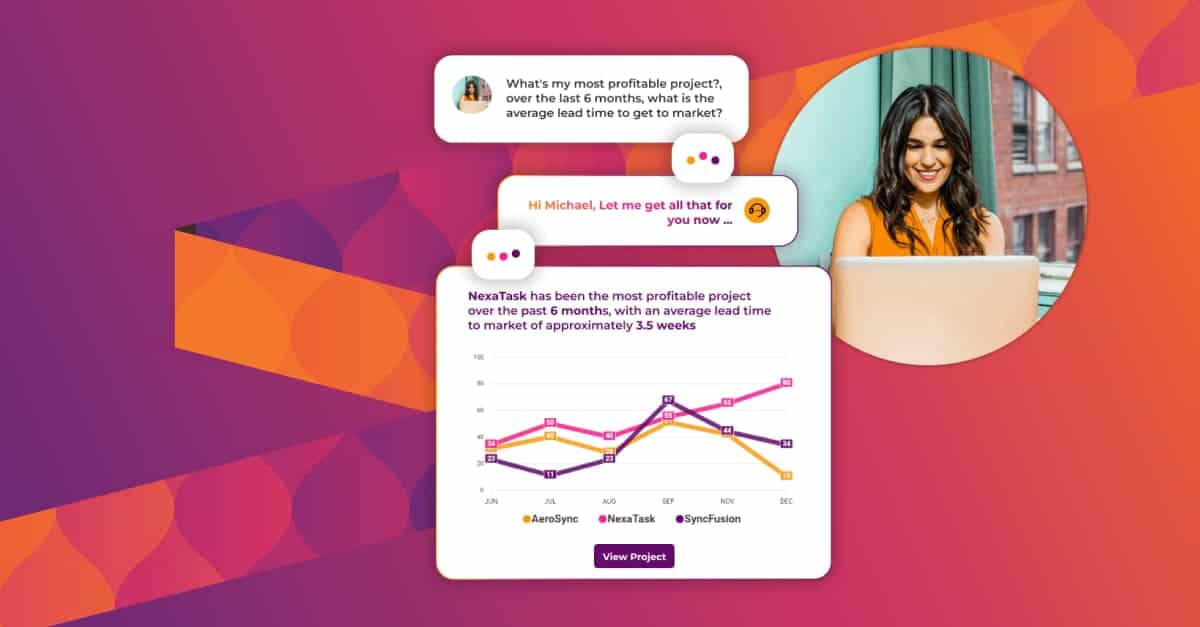
If AI is going to impact how you work—not just what you create—you need more than a smart assistant.
Why This Matters
AI is changing how marketing gets done. But while much of the attention has focused on content generation, the real opportunity isn’t in writing copy—it’s in reshaping operations.
Enterprise marketing teams are facing growing many moving parts/ effective orchestration:
- More campaigns, more channels, more approvals
- Pressure to do more with less
- Rising demands for speed, governance, and personalization
- A growing web of systems, teams, and compliance requirements
AI can help—but only if it’s integrated into how work flows through your organization.
That’s where most AI experiments fall short. They’re helpful in isolation—but disconnected from your real work.
The difference between experimentation and transformation comes down to one thing:
Are you using agents, or are you using an agent studio?
What’s The Difference?
Agents
AI agents are pre-configured tools designed to perform a specific task. For example:
- Draft a campaign brief
- Compare two document versions
- Suggest resourcing options
- Validate copy against brand rules
They’re helpful. But they’re also one-off, limited, and hard to govern at scale.
Agent Studio
An agent studio is a controlled environment for designing, testing, embedding, and managing agents across your business. Think of it as your AI operations layer.
An agent studio lets you:
- Design agents tailored to your processes and policies
- Connect agents to workflows, data sources, and systems
- Combine agents in sequences or chains
- Manage how agents interact with humans and when they act autonomously
- Maintain oversight, auditability, and version control
In short: an agent is a helper. An agent studio is an AI strategy in action.
Why This Matters For Enterprise Marketing Teams
Enterprise marketing isn’t linear. It’s dynamic, collaborative, and often chaotic. Your success depends not just on creating content—but managing complexity.
Here’s why an agent studio is critical in your world:
1. Your Workflows Are Custom—Your Agents Need to Be Too
Every brand has unique processes: legal reviews, localization layers, regulatory checks, campaign scopes, routing rules.
Pre-built agents don’t know your workflow. An agent studio lets you build AI into it—seamlessly.
2. You Need AI to Act with Context, Not Just Execute Commands
AI is exponentially more valuable when it has access to the right data—project history, timelines, resourcing, creative assets, brand rules.
An agent studio enables AI to make smarter decisions based on the operational context around it.
3. You Need Control and Governance at Scale
One rogue AI output in a regulated campaign can cause serious damage. With an agent studio, you define where AI fits, where human review is required, and how results are logged, audited, and improved over time.
4. You Need Flexibility as the Landscape Changes
New use case? New model? New compliance requirement? An agent studio gives you the agility to adapt—without waiting on third-party vendors or retraining your teams from scratch.
How Screendragon Helps
Screendragon’s Agent Studio is built specifically for marketing operations and creative ecosystems. We give enterprise teams the ability to:
- Build custom agents aligned to their workflows
- Embed AI intelligence at key points—briefing, reviews, approvals, resourcing
- Harness real operational data to drive better decisions
- Maintain control, oversight, and compliance every step of the way
We don’t just offer “smart features.” We help you build a smarter operating model.
The Bottom Line
If you’re experimenting with AI, agents are a good start.
If you’re serious about transforming how your marketing team works, you need an agent studio.
It’s the difference between using AI—and operationalizing it.